The Lost Light of Khartoum
Tales of a City That Refuses to Fade

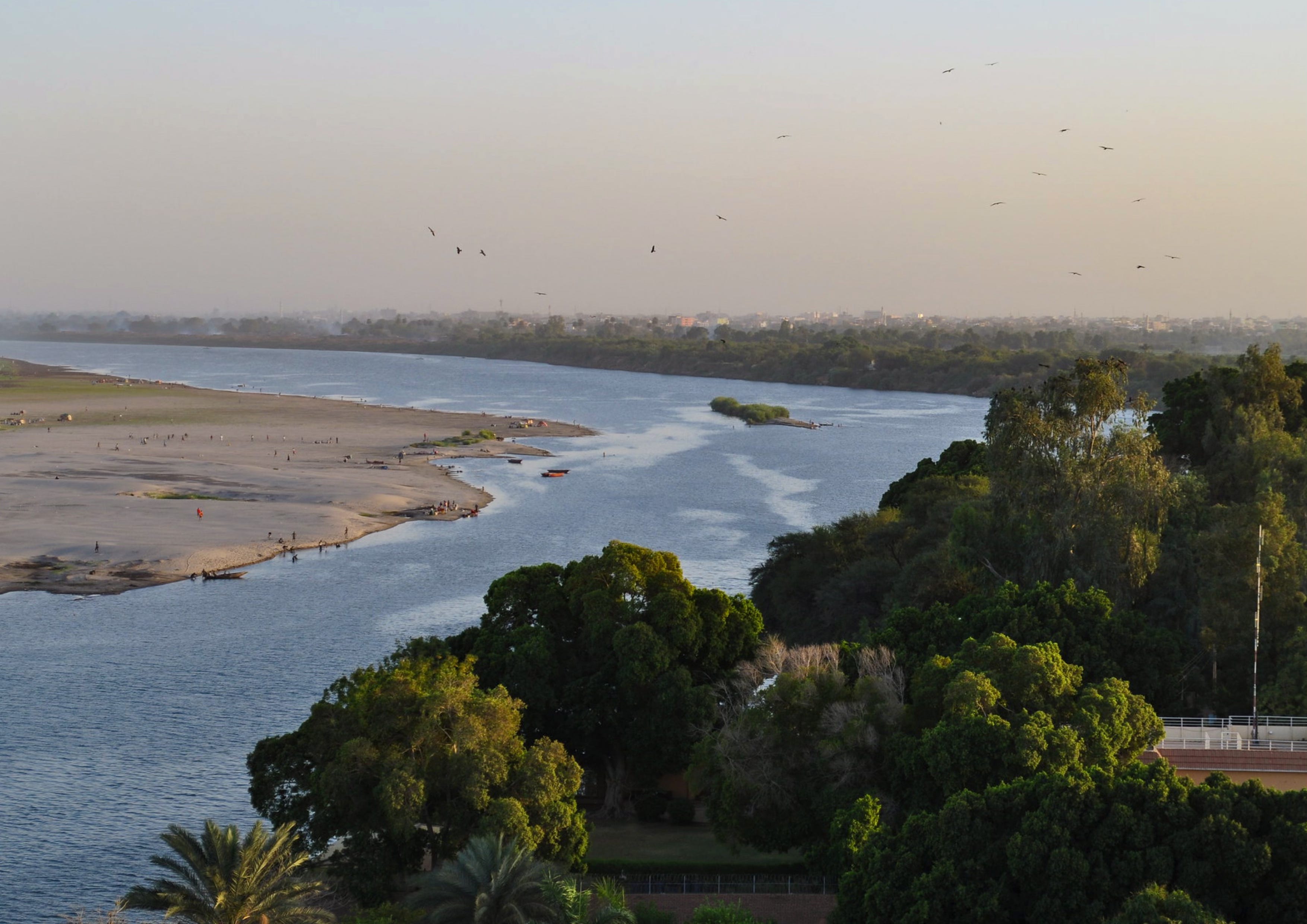
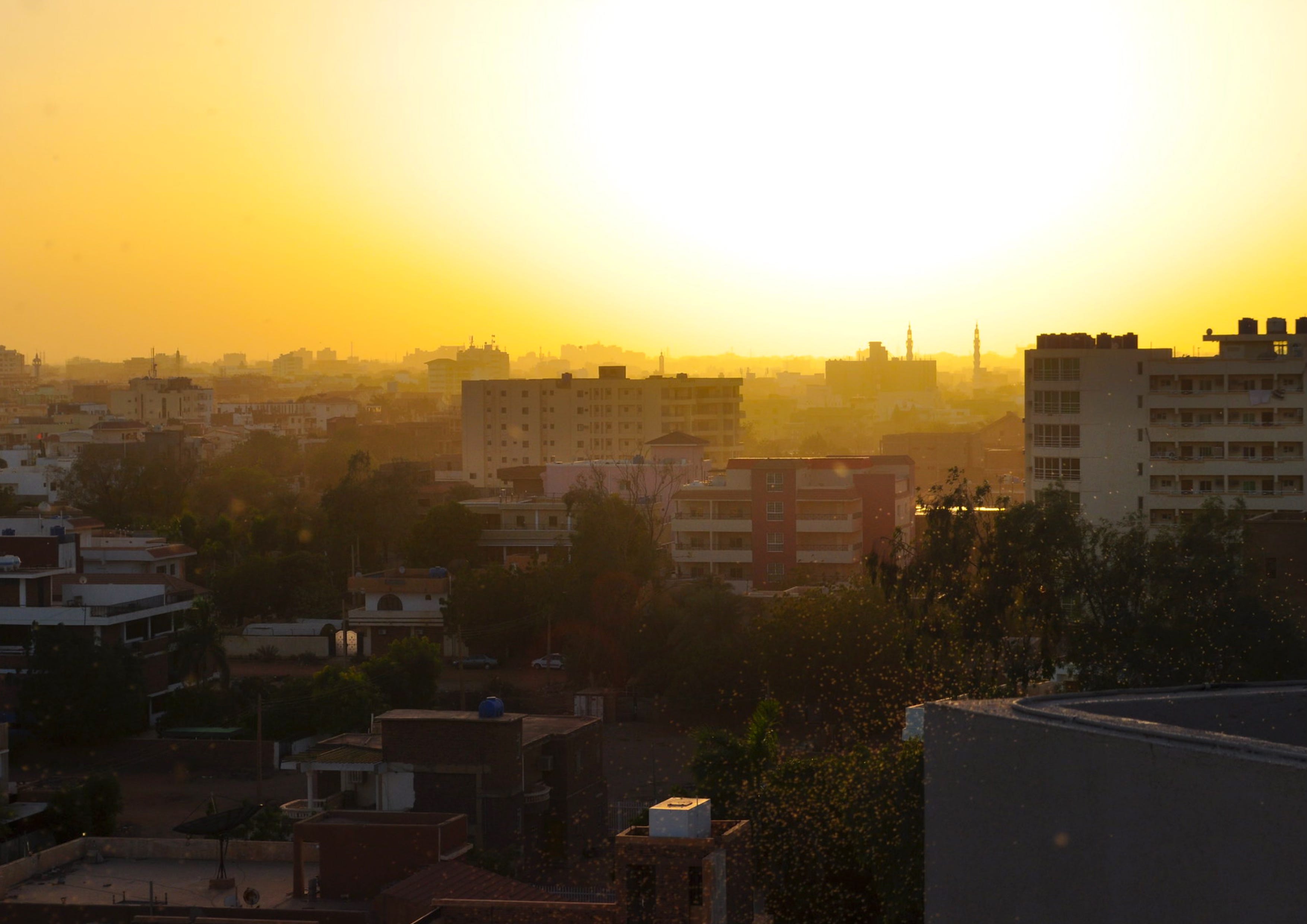
Where the Blue and White Nile meet to form the Nile River in Khartoum, the city stretches along their banks, spreading across a wide area of neighborhoods and residential districts. Paved roads are interspersed with narrow streets, and the small markets buzz with activity throughout the day. Residents move between their neighborhoods for work.
Decades ago, in the 1970s and 1980s, Khartoum was different. The streets were quieter. The sounds of children and passersby mixed with tunes from old radios. Markets moved at a slower, warmer pace. People knew each other, sitting on wooden benches outside small shops to chat and catch up on news. Even in the simplicity of life back then, the city radiated a special spirit, full of movement and warmth, blending past and present in every corner and street.
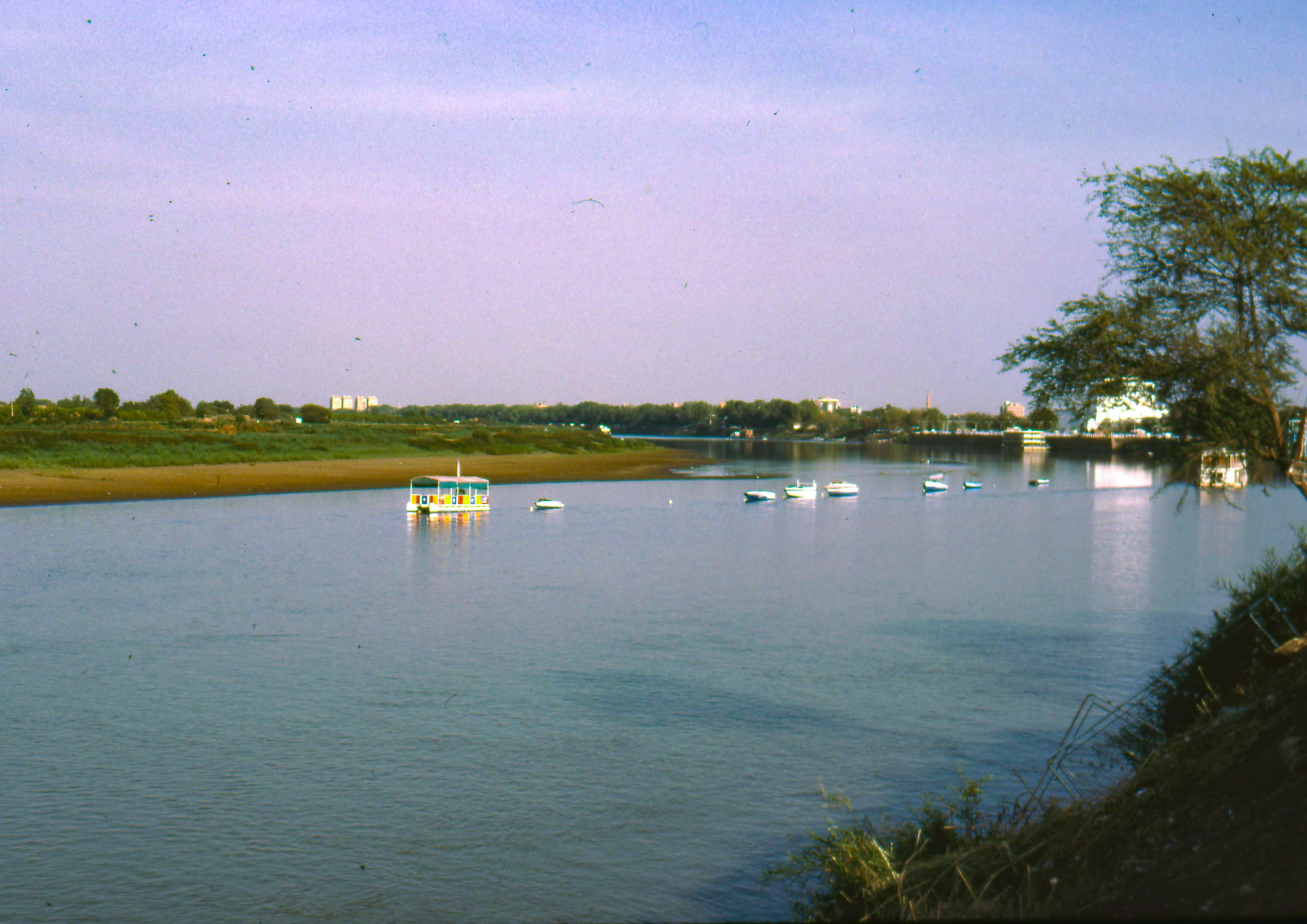
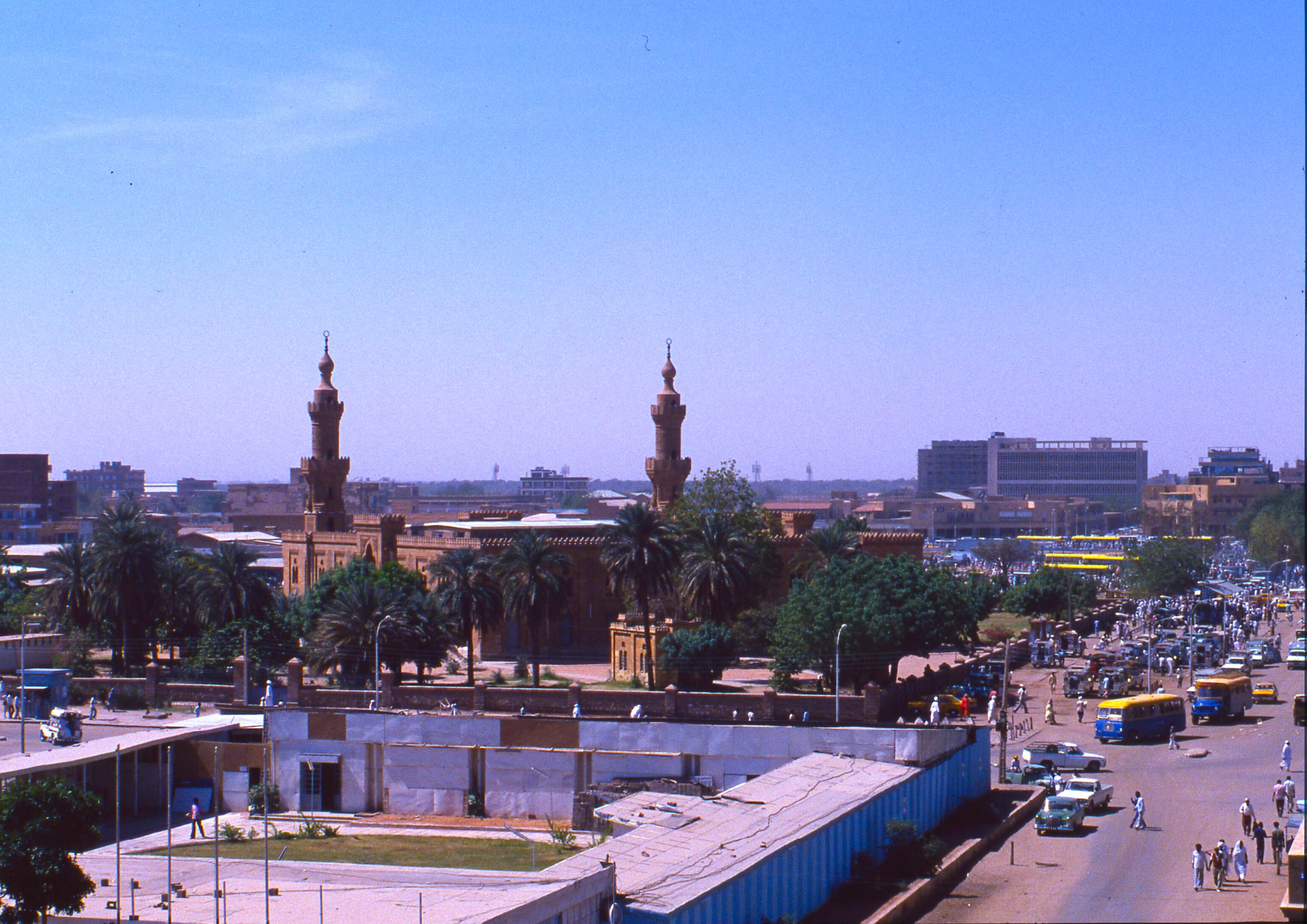
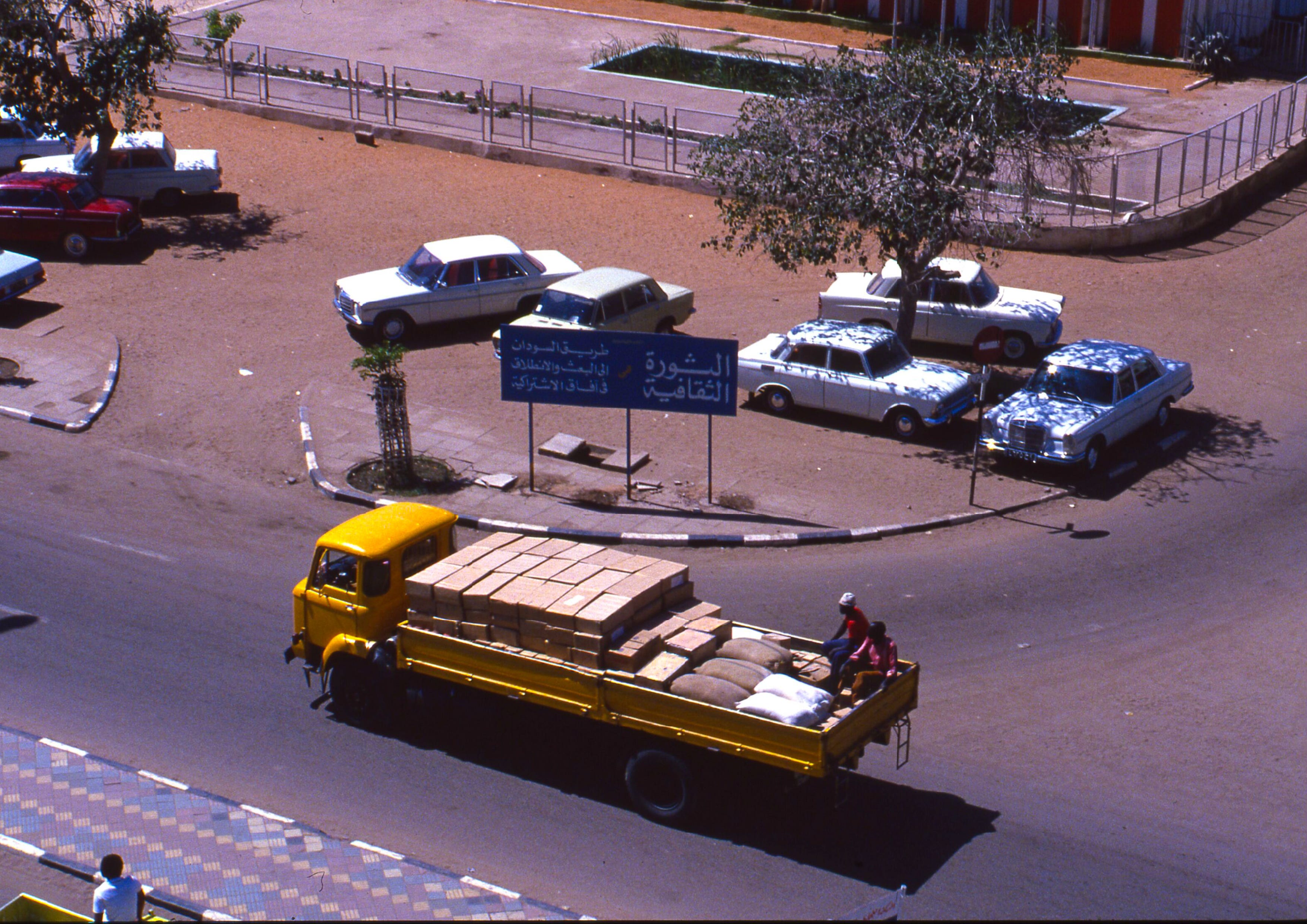
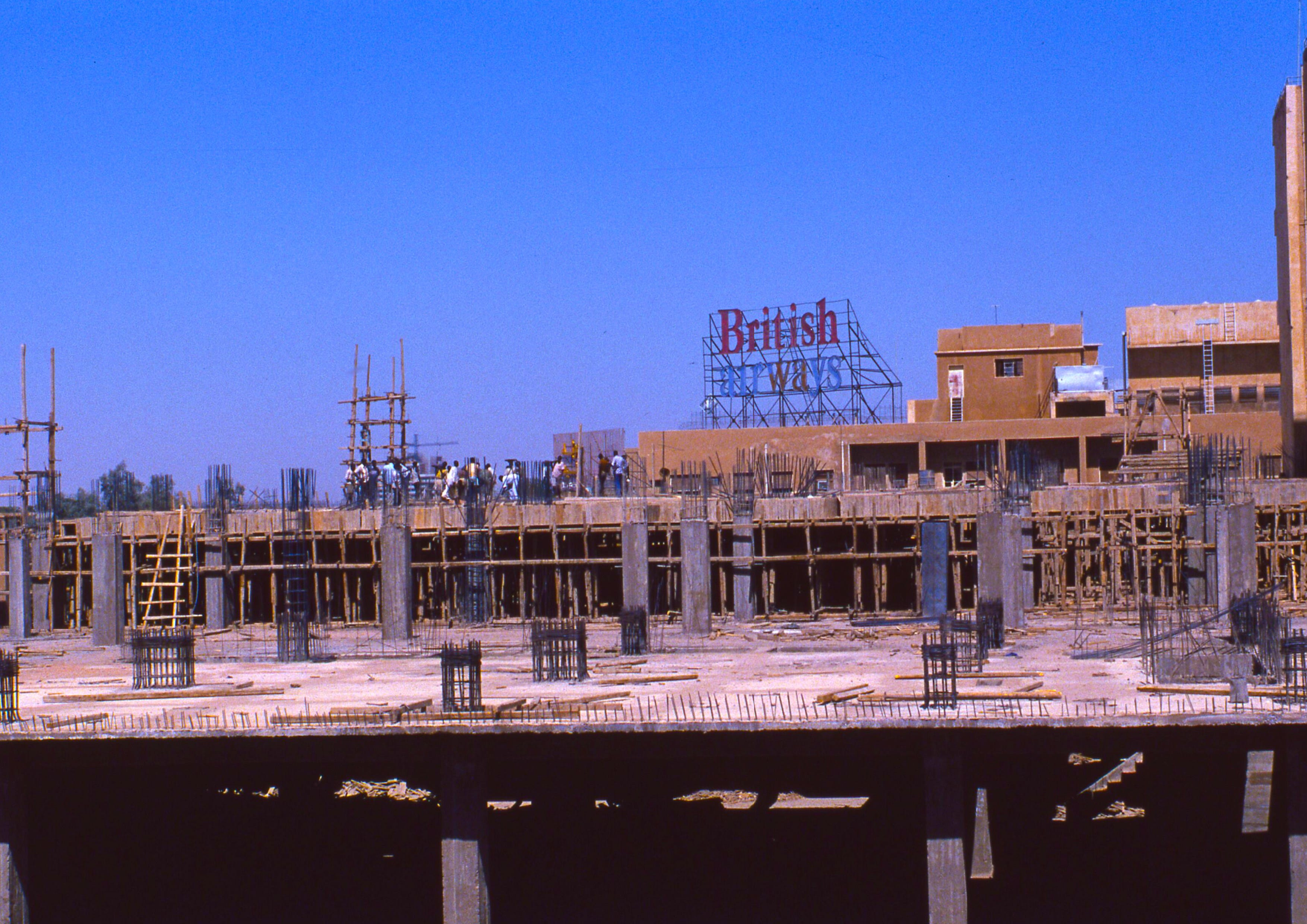
As the sun sets, the streets gradually calm down, yet some alleys remain lively, where young people gather around radios or in small cafés to listen to songs and music. Small buses and old carts move slowly through the neighborhoods, passengers carrying their bags and goods, accustomed to waiting before boarding.
At home, families gather around dinner, listening to the radio or sharing stories about their day. On special occasions, people decorate their homes and hold simple celebrations, sharing food, stories, and laughter with neighbors. The smell of fresh bread in the morning, the sound of motorcycles in the streets, the newspaper vendor calling out the latest editions, and the colors of traditional clothing in the markets ، all these moments shape the spirit of Khartoum in that era, a city full of movement and warmth, where every street and market tells a story, and every face reflects the energy of the time.
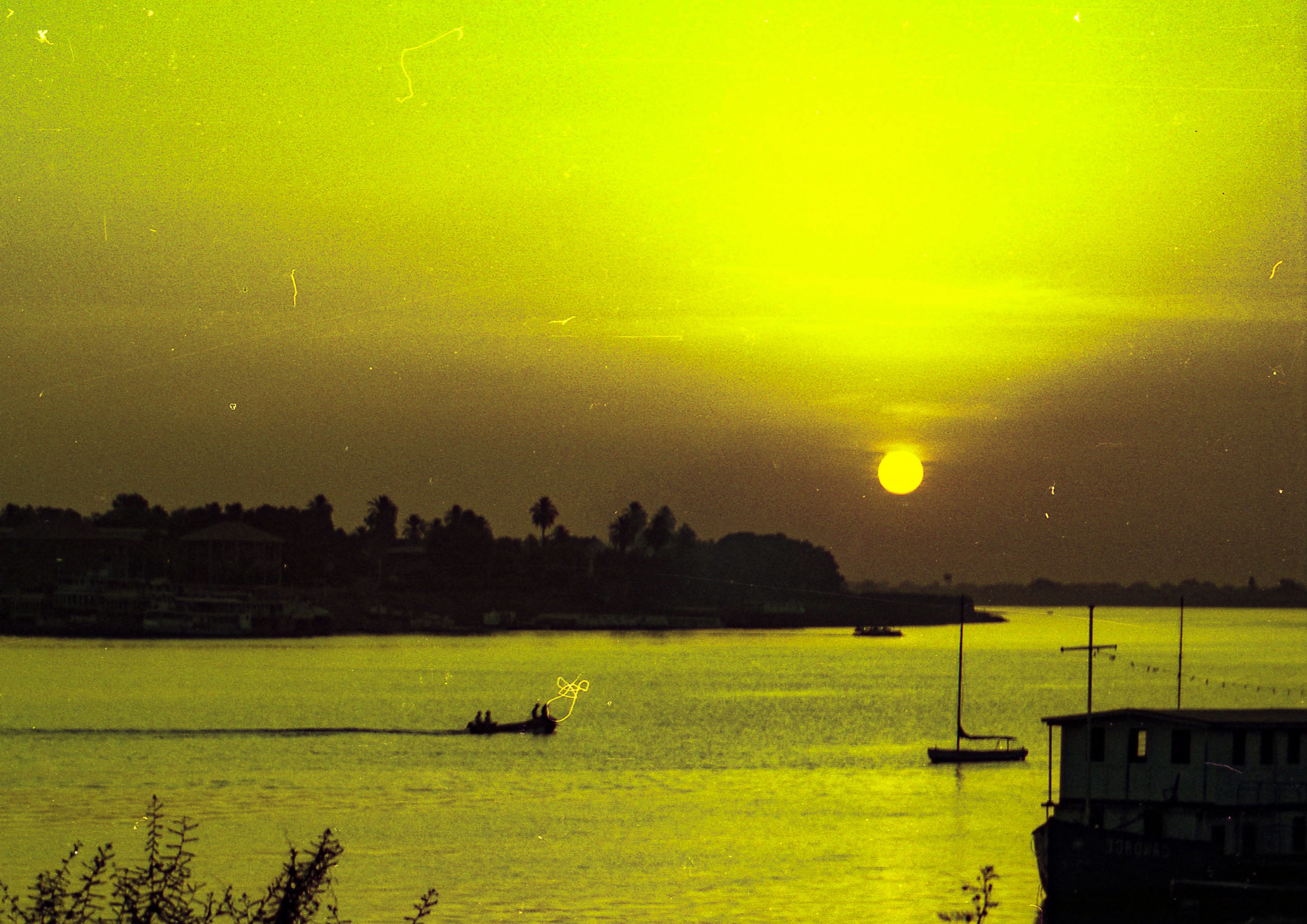
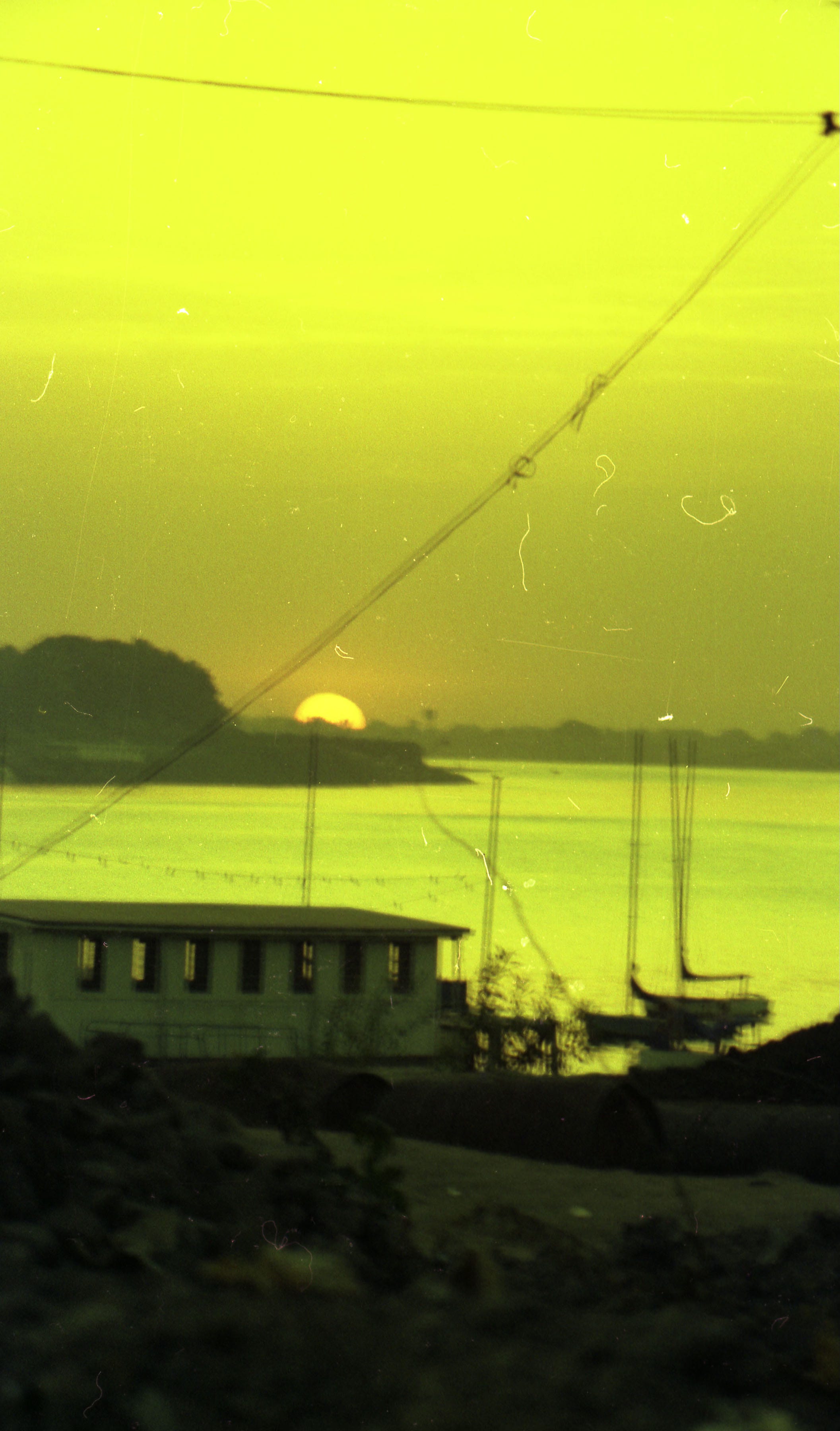
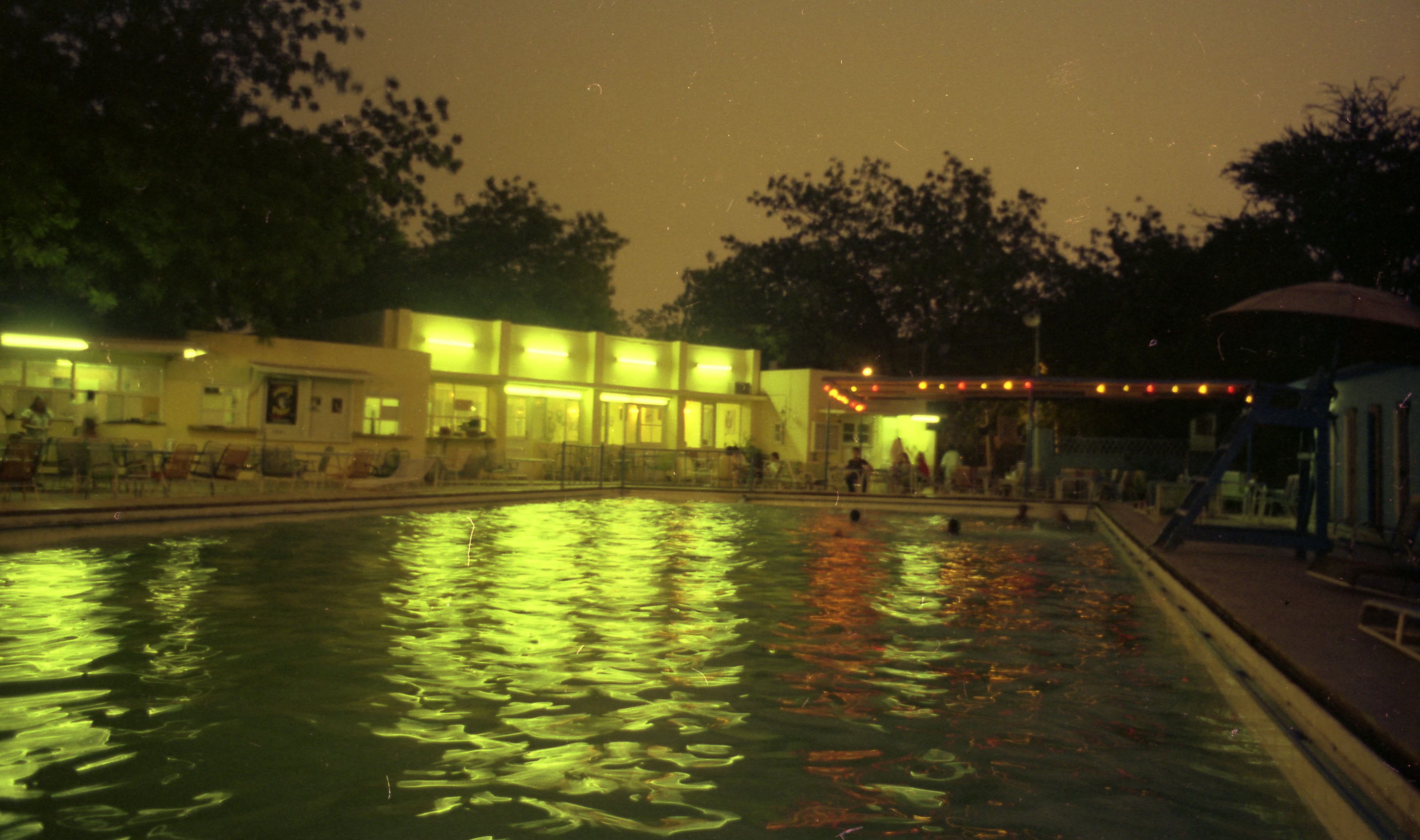
All these moments shaped the spirit of Khartoum in that era, a city full of movement and warmth, where every street and market tells a story, and every face reflects the energy of the time. This was life in Khartoum decades ago.
Then came the war in 2023
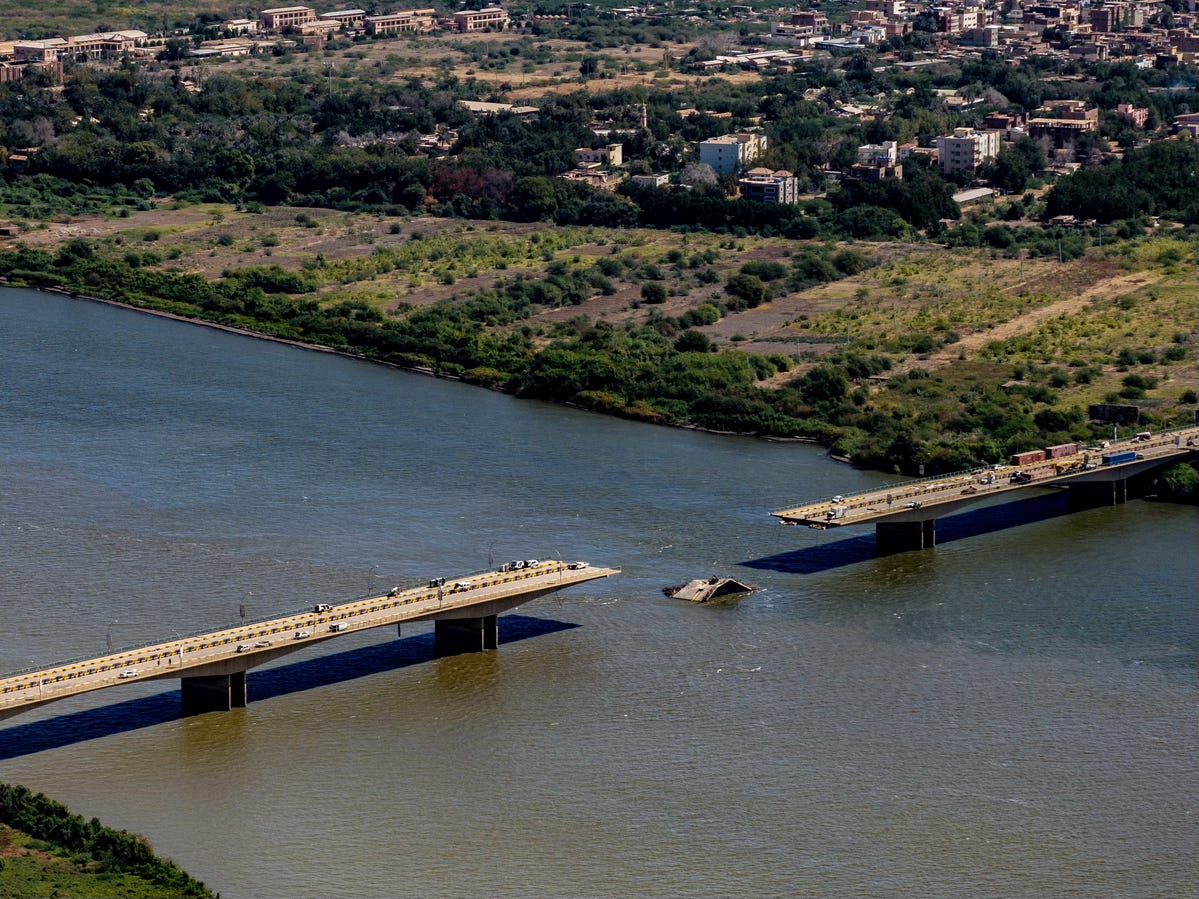
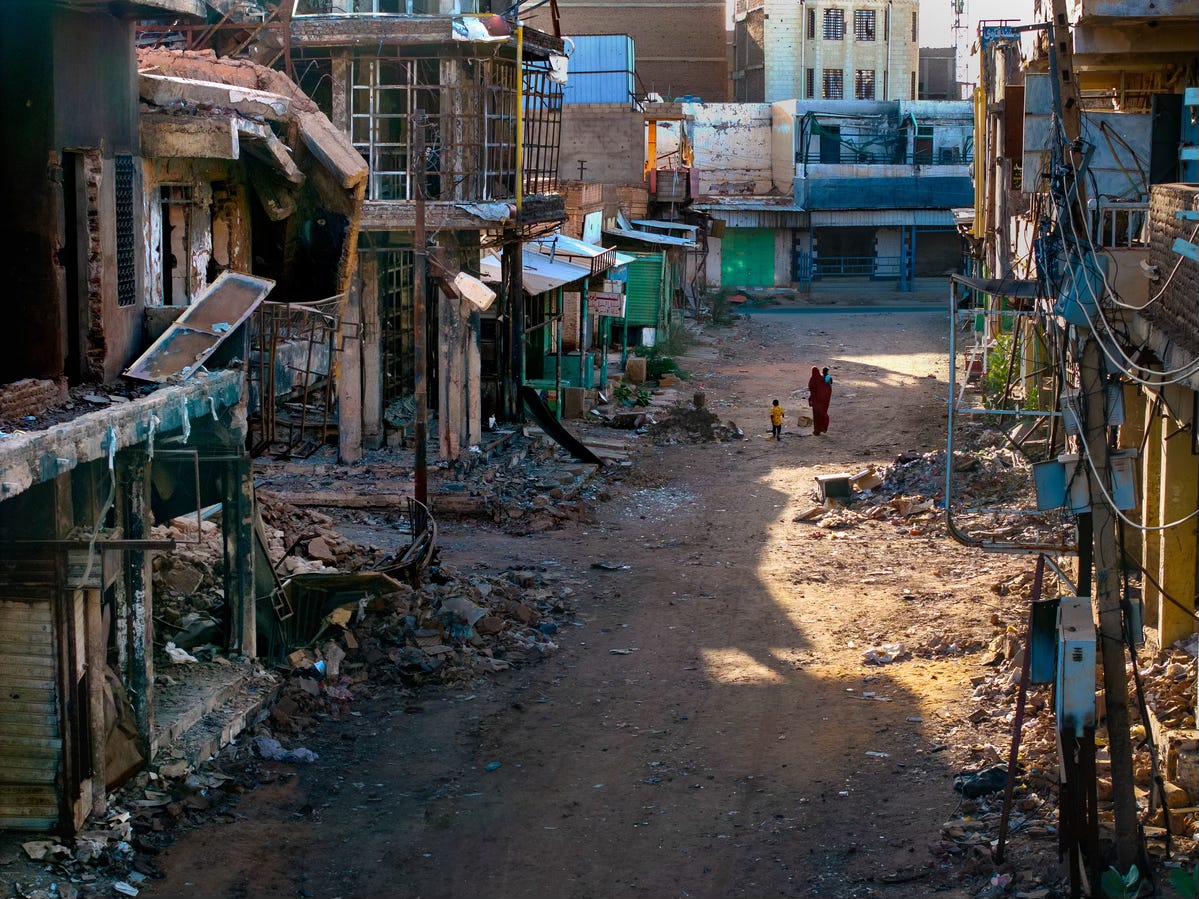
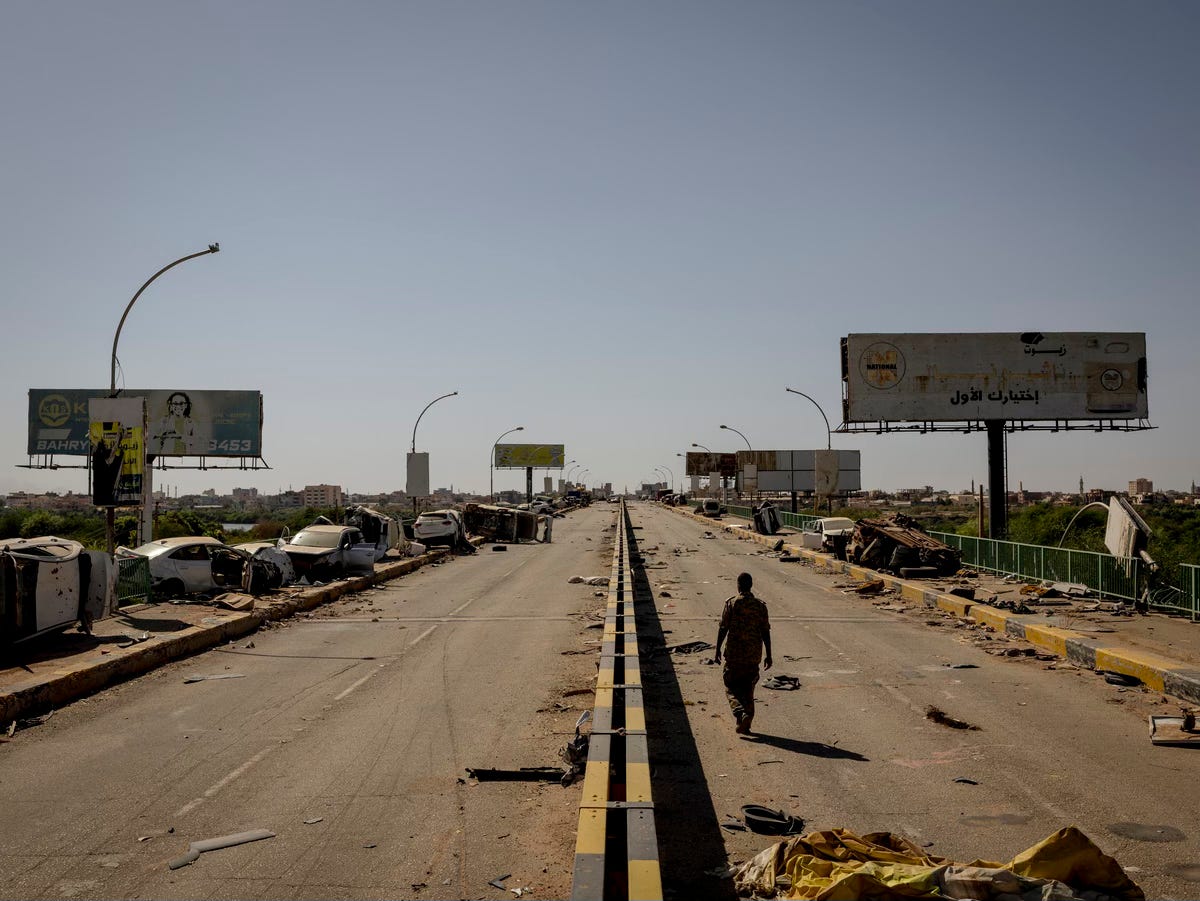
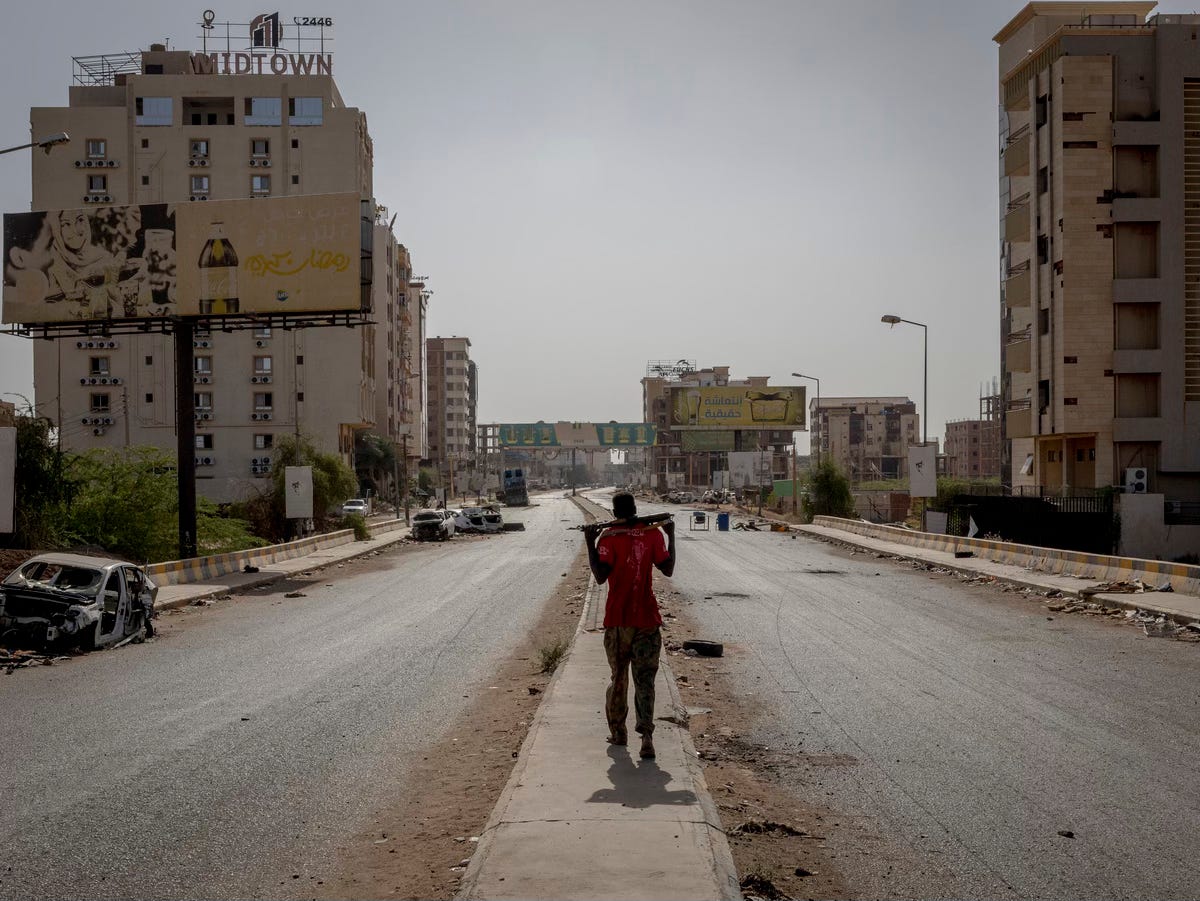
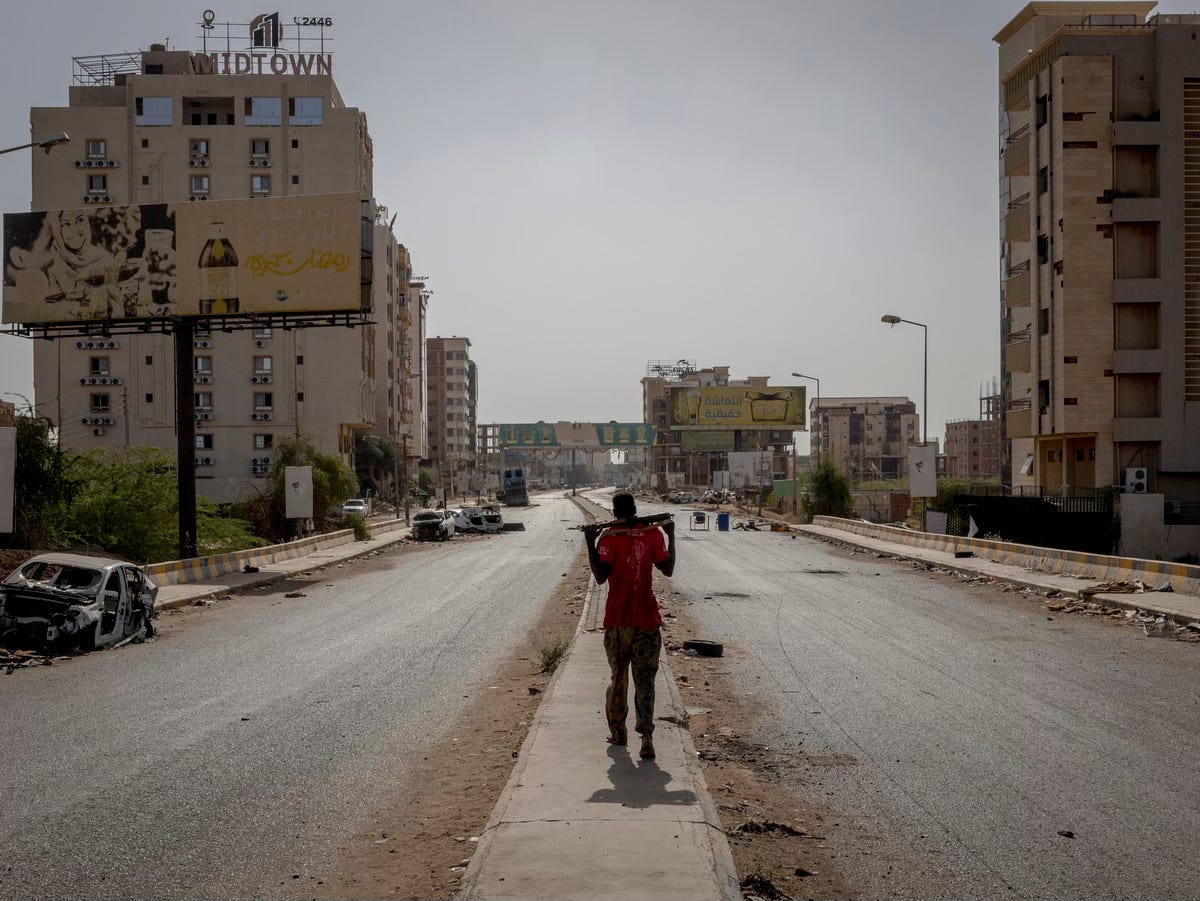
and everything changed. The once vibrant Khartoum became a silent city, its buildings destroyed, streets empty, markets halted, and people displaced or having lost their lives and belongings. Only memories remained, old photographs, and faint sounds reminding of the city that once buzzed with life. Everything was different, and the light that once filled Khartoum had faded, leaving echoes of nostalgia amid the ruins.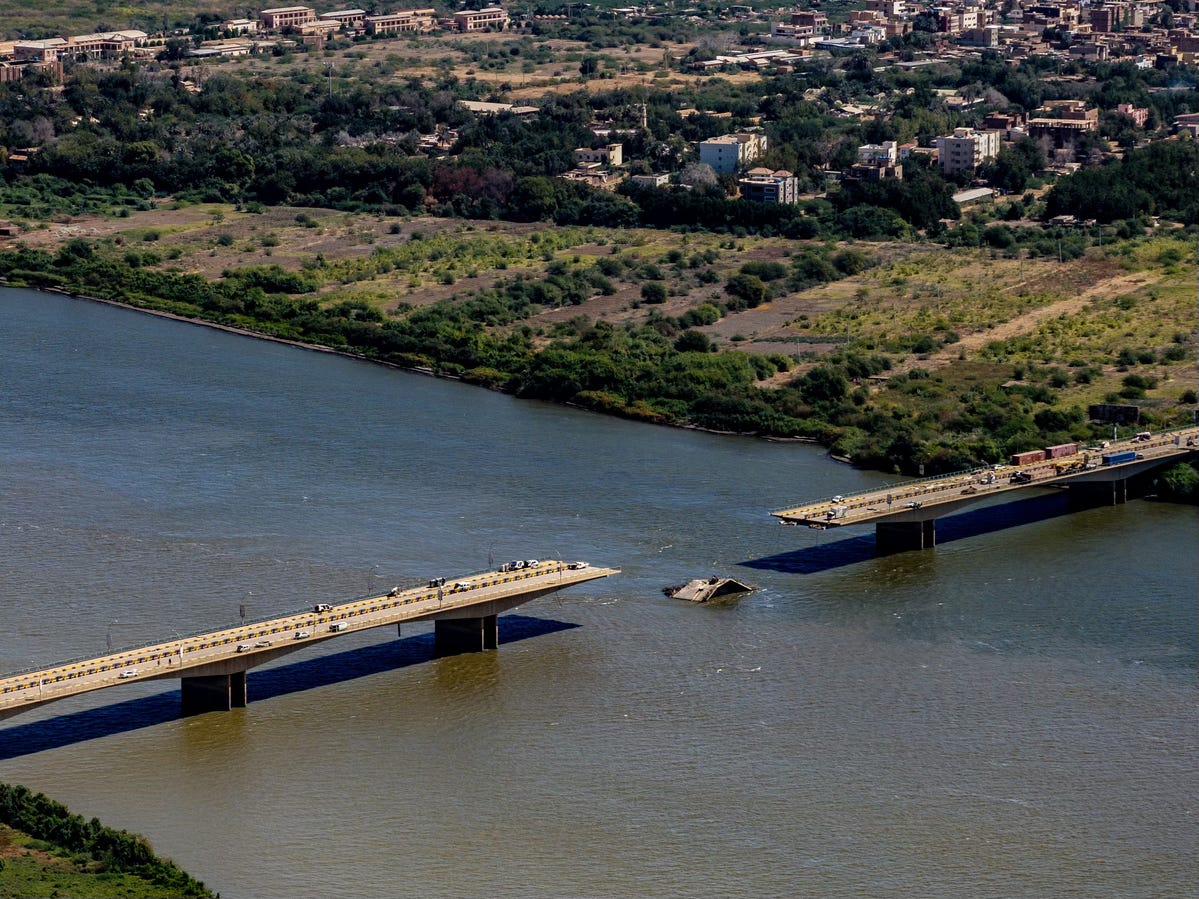
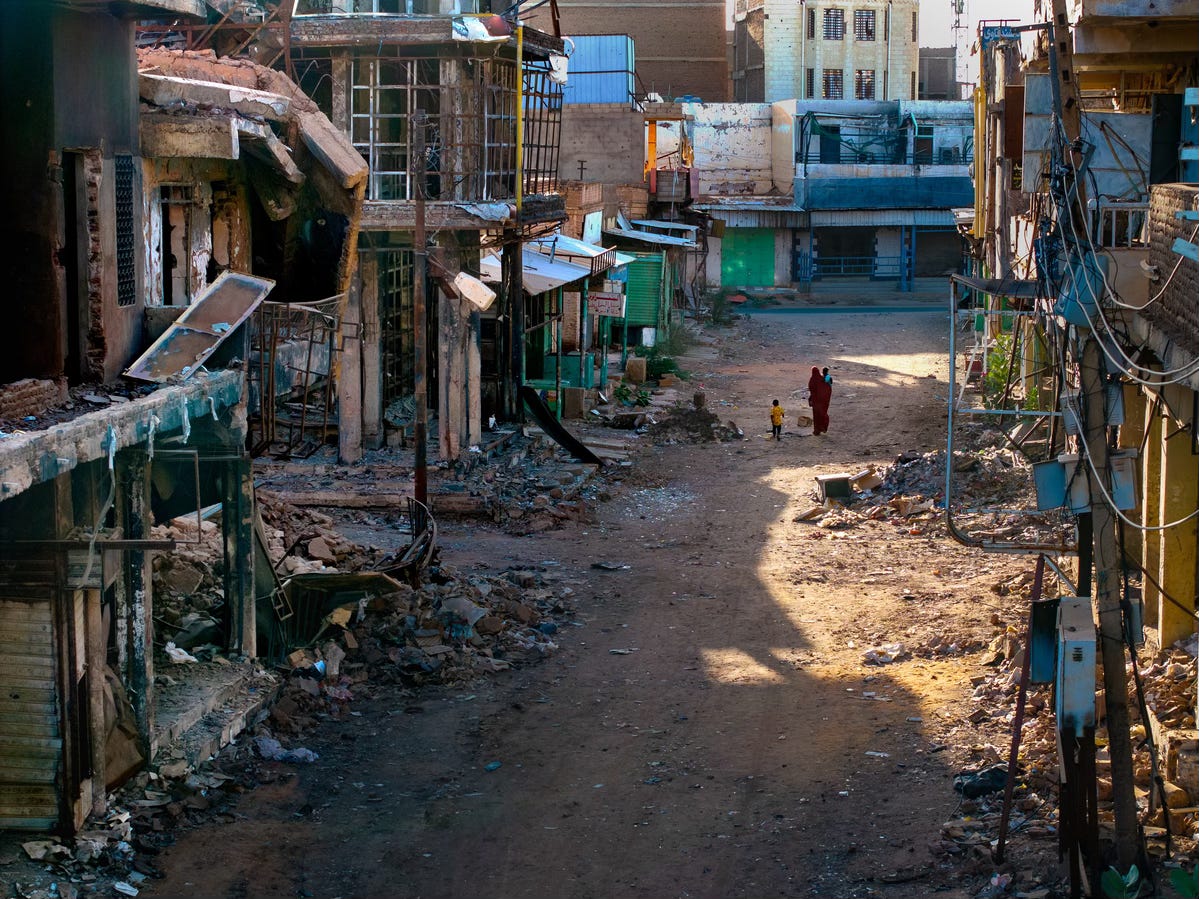
and the new generations saw the destruction without knowing why it had occurred. People asked themselves why their land was being deliberately destroyed, and the markets that were once thriving were now empty. Silence filled the streets instead of the sounds of life, and homes that once offered shelter disappeared under the rubble. Daily life stopped completely, and survivors struggled to gather what remained of their belongings. The city that had once buzzed with activity became a ghost town, and the new generation grew up surrounded by ruins they could not understand. This is how people lived, in a new and incomprehensible reality, in a city that had been deliberately erased, leaving only echoes of what once was.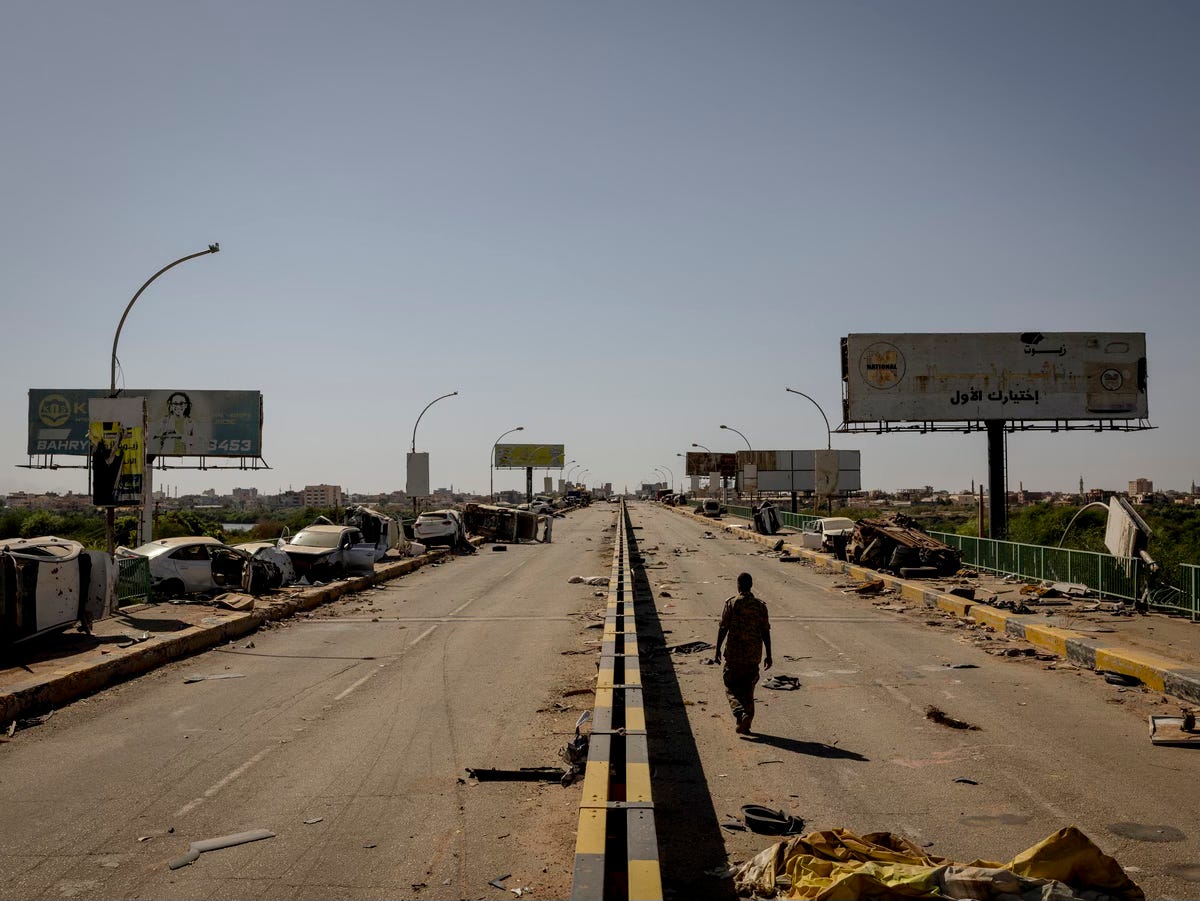
2025: Tales of a City That Refuses to Fade
Khartoum may have been deliberately destroyed in 2023, its streets filled with rubble, buildings collapsed, and markets turned to ruins, but life has not completely vanished. Survivors returned to the city cautiously, picking through the debris to rebuild homes and livelihoods. Children who once grew up amid destruction now run through partially restored alleys, learning to navigate a city that refuses to be erased. Families gather again where they can, sharing meals and stories, clinging to the routines that once defined daily life. Electricity and water return sporadically, but the people adapt, finding strength in small victories. Markets reopen slowly, stalls patched together from salvaged materials, and vendors call out to anyone who passes, determined to revive commerce. The scars of the war are everywhere, yet the city pulses with a stubborn energy. Music drifts from open windows, laughter echoes in streets that were silent just two years ago, and neighbors check on one another, rebuilding not only homes but trust. Khartoum today is a city of contrasts: ruins beside hope, silence beside the hum of daily survival, loss beside resilience. Even amid the chaos, even amid what was erased, the spirit of the city refuses to fade, carried forward by the people who remain.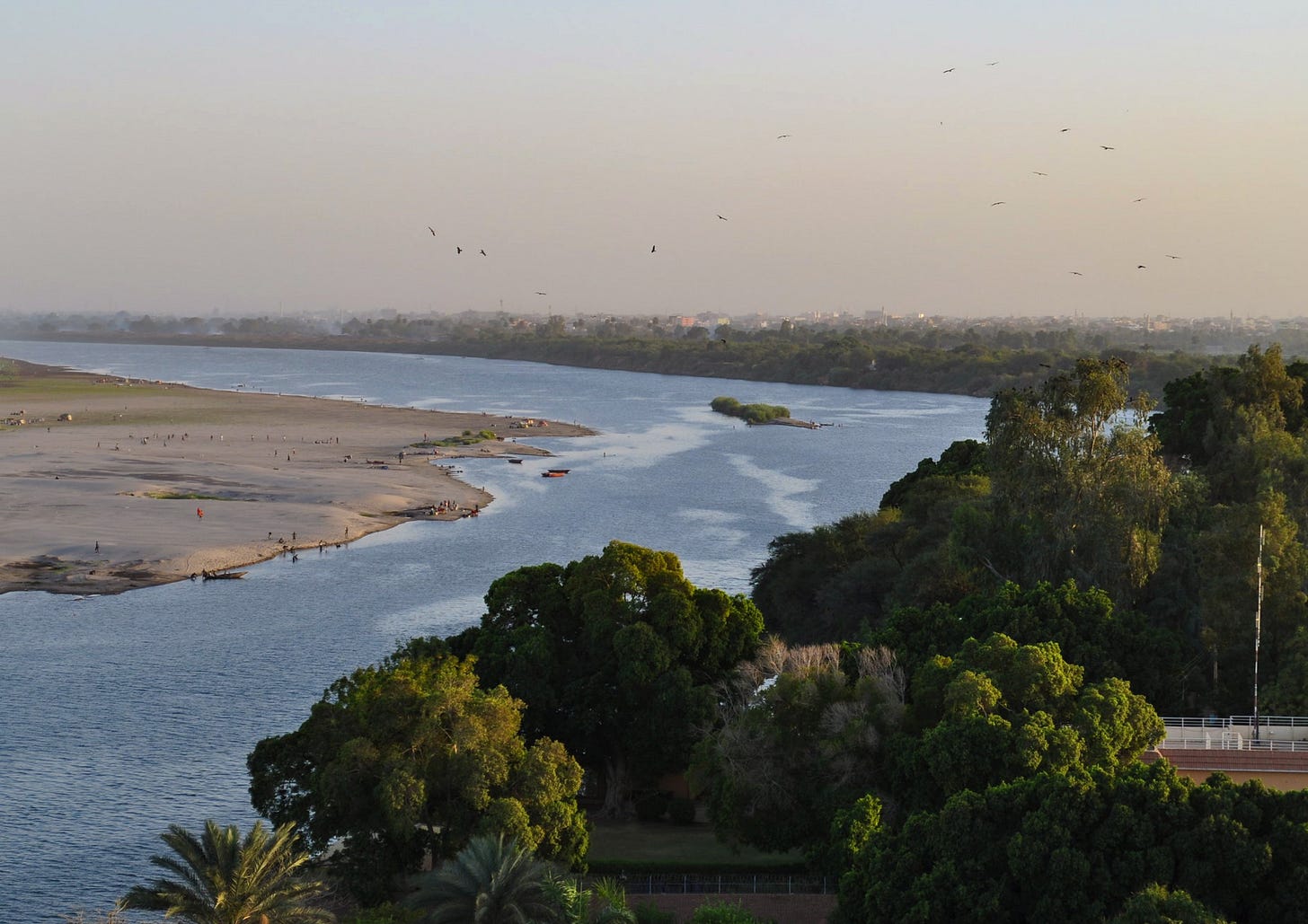
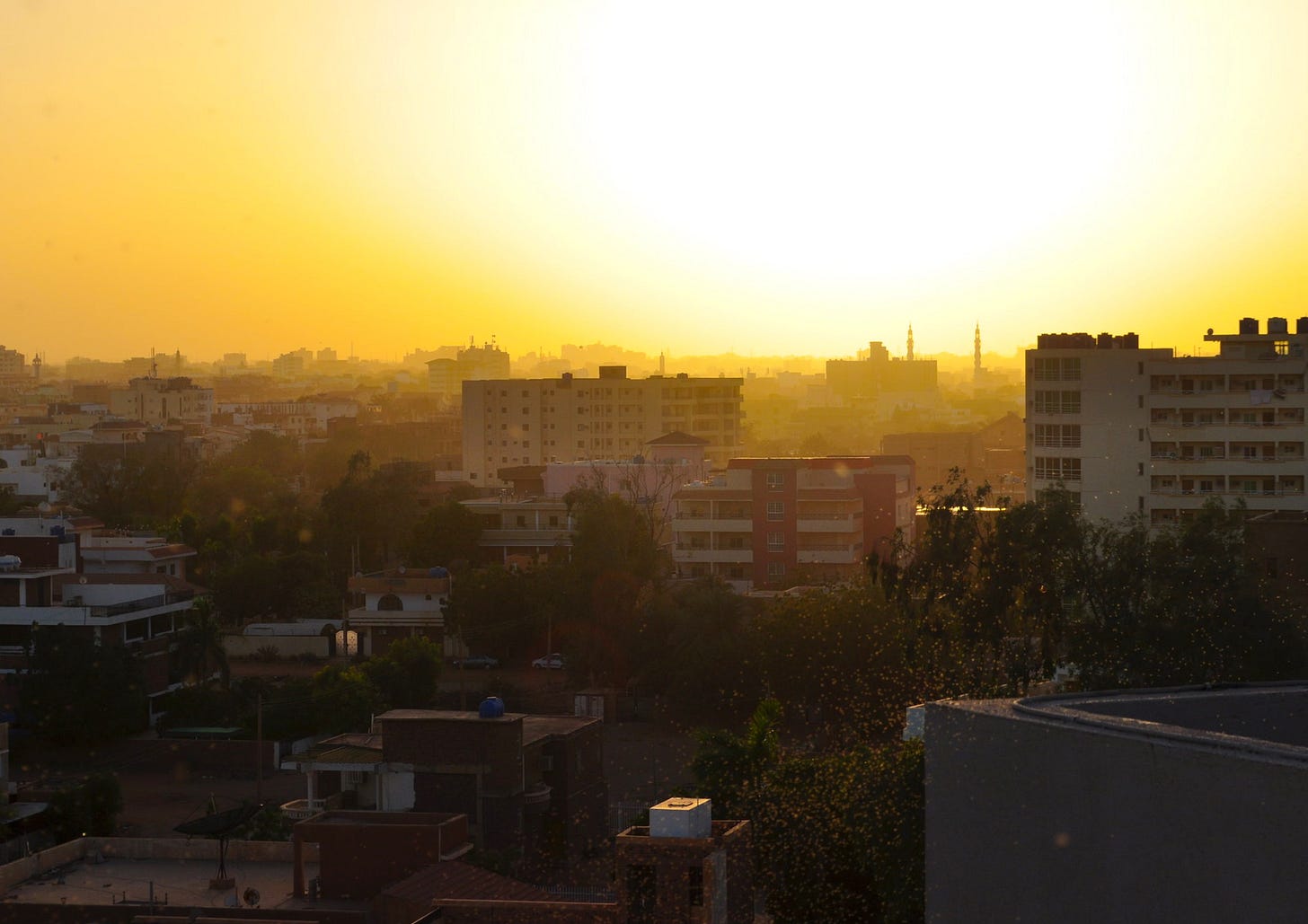
Conclusion: Khartoum and Sudan – A Story That Refuses to FadeFrom the bustling streets and markets of Khartoum in the 1970s and 1980s, filled with children’s laughter, music drifting from radios, and the warmth of neighbors gathering in small shops, to the deliberate destruction in 2023 that left streets empty and buildings in ruins, the story of this city is one of endurance. Despite the devastation, the people returned, rebuilt what they could, and kept the spirit of life alive. Children now grow up in a city marked by scars but also by hope. Families share meals, markets reopen, and music once again drifts from windows, proving that the pulse of Khartoum cannot be erased. This story is not only about a city but about all of Sudan, a land whose memory, spirit, and resilience persist despite wars, losses, and destruction. Khartoum and Sudan together remind us that even when light fades, it refuses to disappear completely, carried forward by those who refuse to give up.
by SC™
@sudanculture_